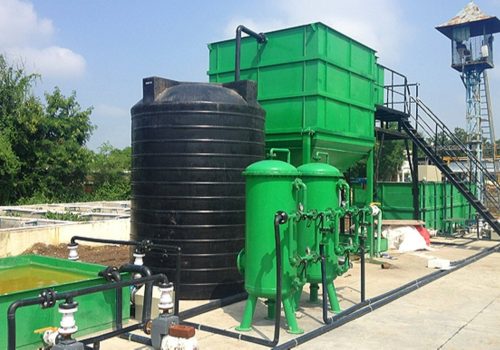
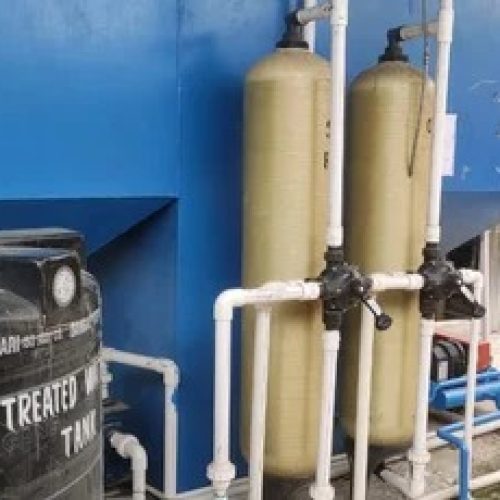
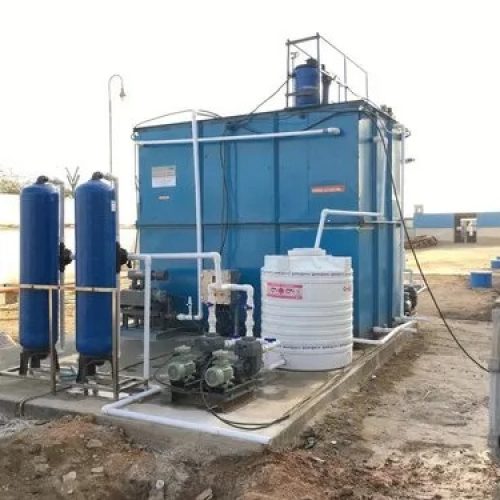
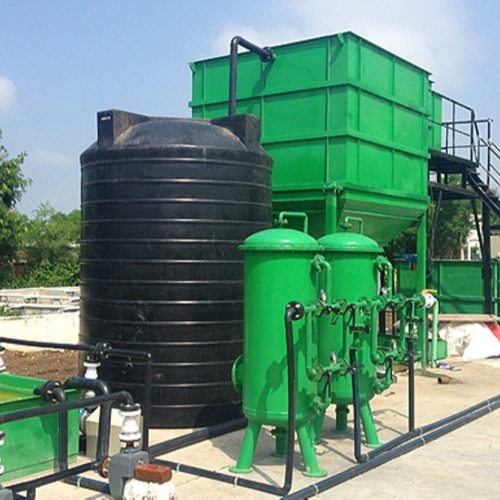
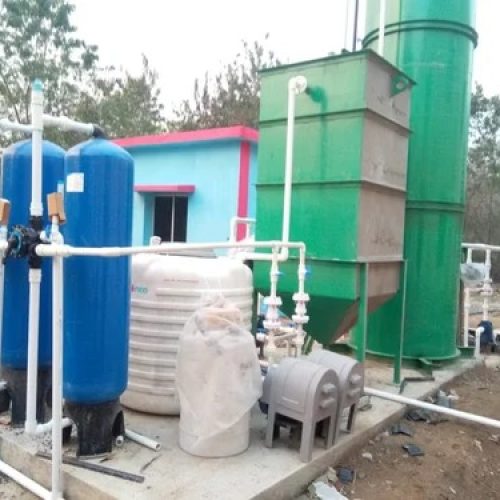
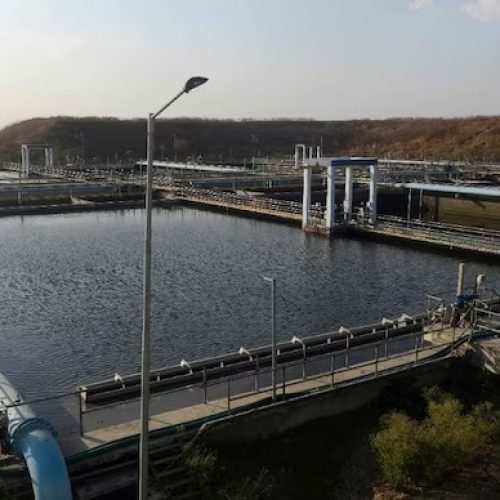
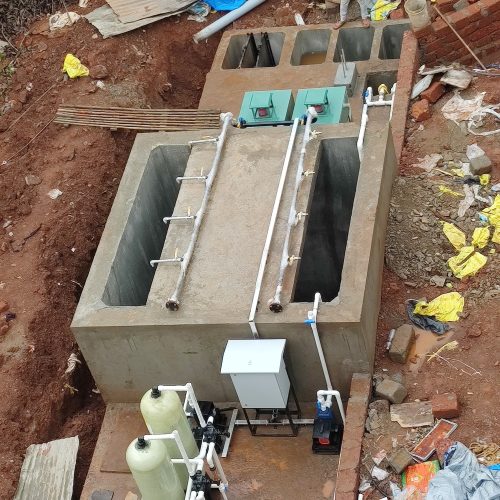
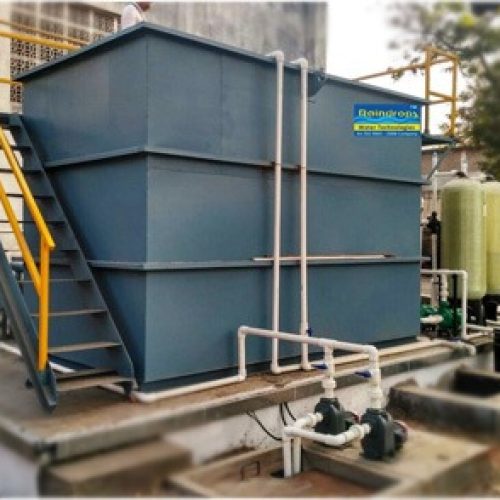
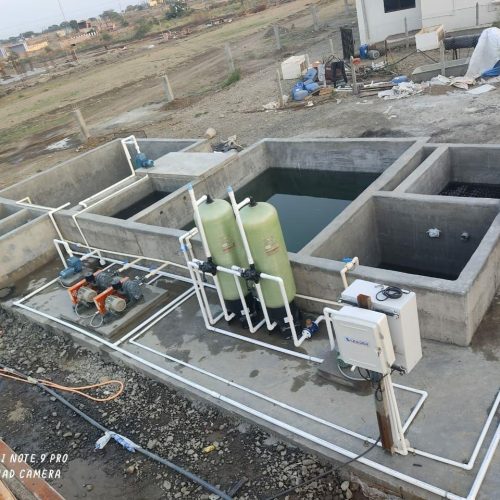
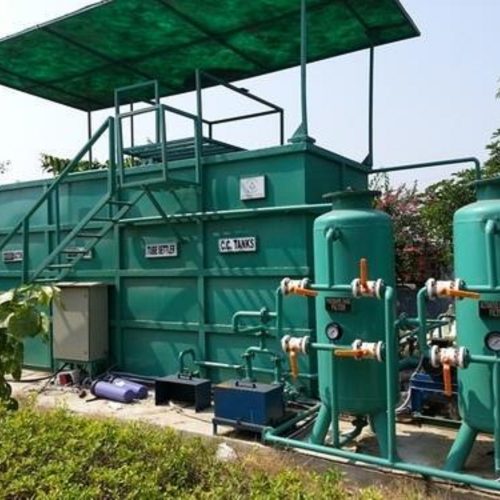
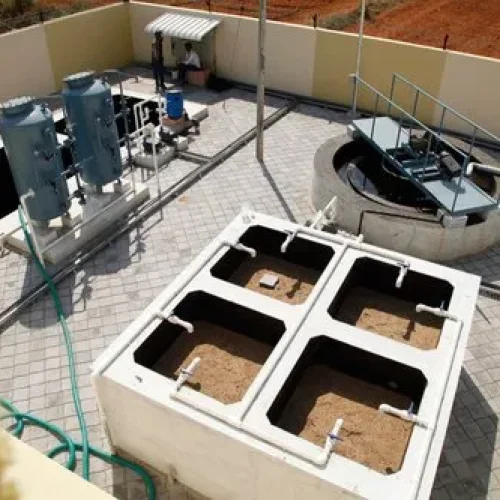
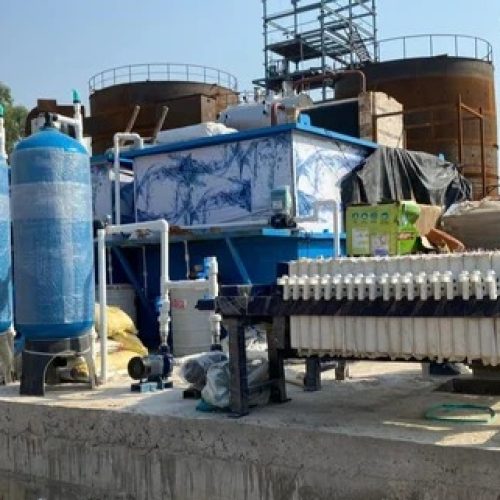
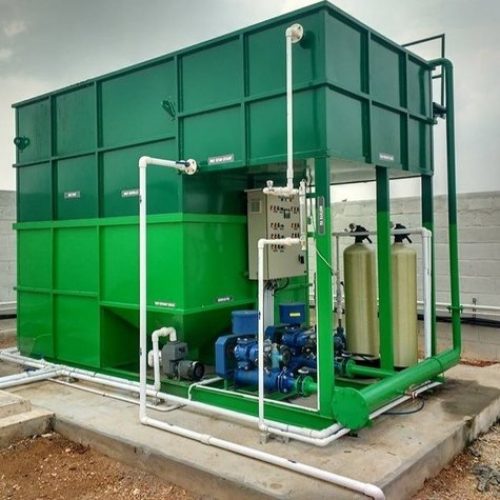
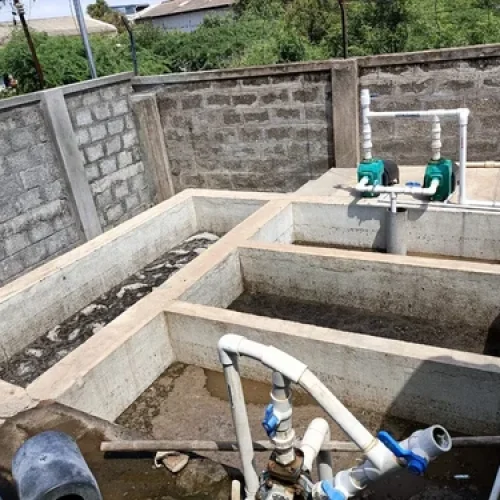
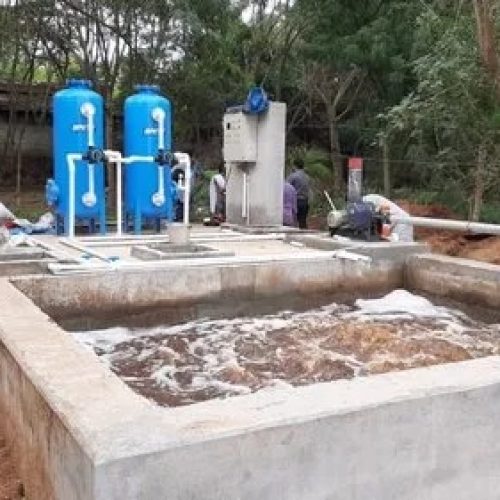
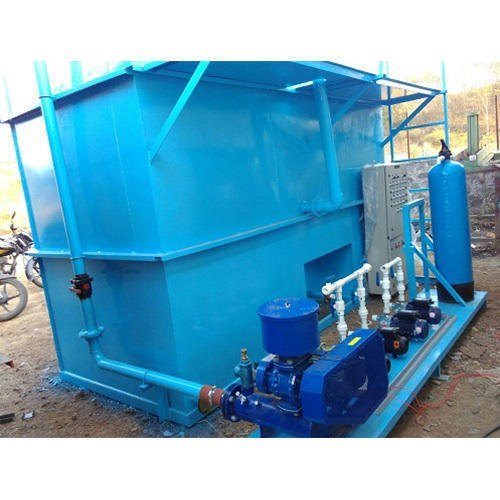
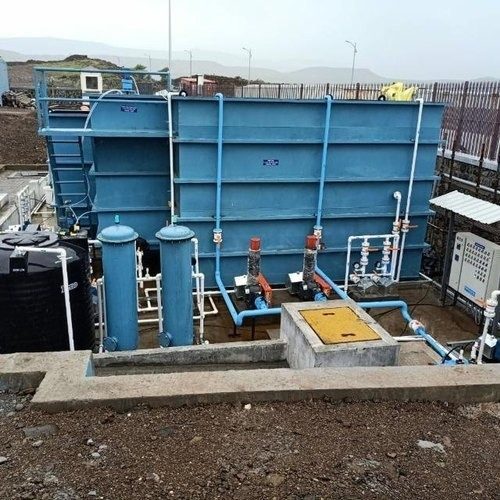
An Effluent Treatment Plant (ETP) is a specialized facility used to treat wastewater generated by industries and factories. This wastewater, called effluent, often contains harmful pollutants such as oils, chemicals, heavy metals, dyes, and other toxic substances.
Without proper treatment, this effluent can severely damage the environment and human health. ETPs are crucial for reducing pollution, ensuring legal compliance, and enabling wastewater reuse for non-potable purposes.
Effluent Treatment Process
1. Preliminary Treatment
The effluent first passes through screens and oil traps to remove floating debris, oils, and coarse solids. Equalization tanks are used to balance pH and flow variations.
2. Primary Treatment
Coagulation and sedimentation are performed to separate suspended solids. Chemical agents help in settling solid particles at the bottom as sludge.
3. Secondary/Biological Treatment
Here, microorganisms break down organic matter. Technologies like activated sludge process, trickling filters, or bio-reactors are used to convert biodegradable wastes into harmless byproducts.
4. Tertiary Treatment
This final stage polishes the effluent using advanced methods such as:
i.Reverse Osmosis (RO)
ii.Activated carbon filtration
iii.UV disinfection or chlorination iv.Membrane bioreactors (MBR) These remove remaining impurities, colors, and pathogens.
What Happens to the Sludge?
Sludge generated from ETPs is processed further:
1.Dewatered using centrifuges or filter presses
2.Can be incinerated, landfilled, or used as fuel
3.In some cases, safely treated sludge is used as manure for landscaping or agriculture
Why Use an Effluent Treatment Plant?
1.Reduces environmental contamination from industrial waste
2.Complies with government and PCB (Pollution Control Board) norms
3.Saves costs by recycling treated water for cleaning, cooling, or gardening
4.Protects rivers, soil, and aquatic life from industrial toxins5.Promotes sustainable industrial operations